
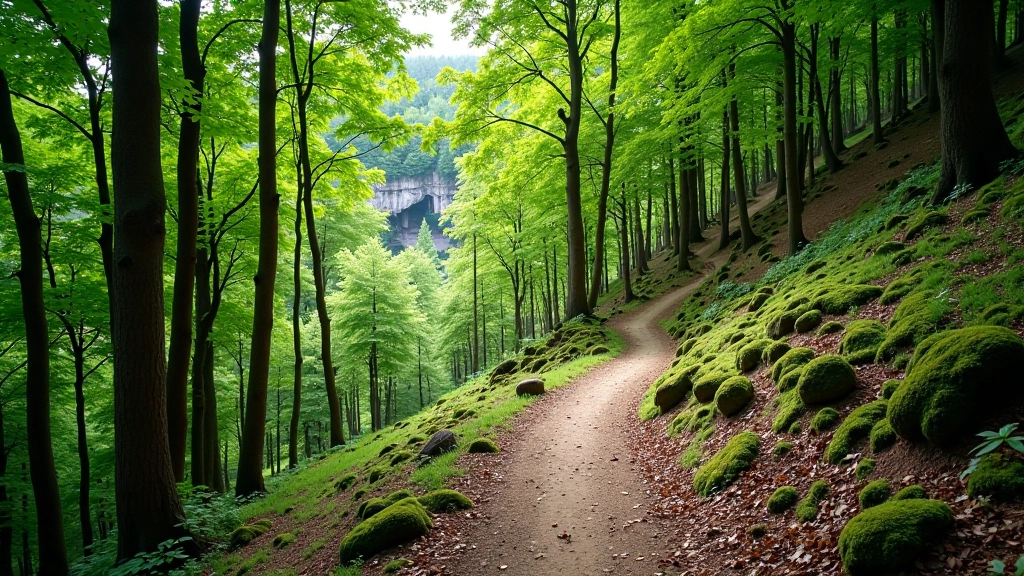
Best Trails for Different Skill Levels
Discover hiking routes suited to your experience level, from gentle walks to challenging scrambles through the rock formations.
Read MoreDiscover how millions of years of erosion created the dramatic sandstone towers and valleys that make Bohemian Paradise unique. We’ll break down the geology without the jargon.
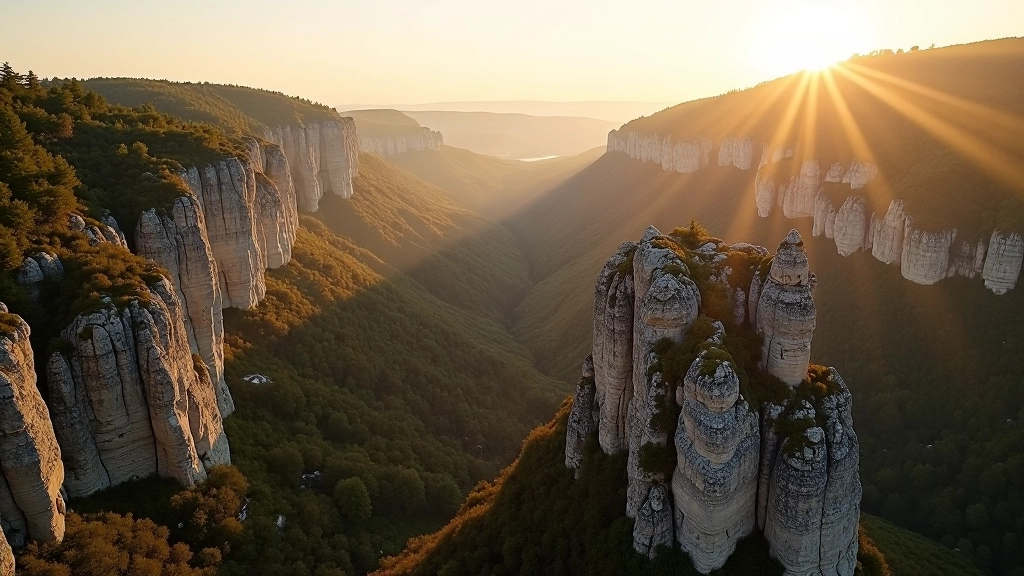
The sandstone towers you see scattered across Bohemian Paradise aren’t random geological accidents. They’re the result of incredibly slow, methodical processes that took place over 100 million years. We’re talking about layers of sand, compressed into stone, then carved away by water and wind until what remained were these distinctive shapes.
Here’s the thing — most people walk past these formations without understanding what they’re actually looking at. You see the towers and think they’re solid blocks of rock. But they’re really the survivors. Everything around them eroded away, leaving behind these harder, more resistant patches. It’s like watching time itself frozen in stone.
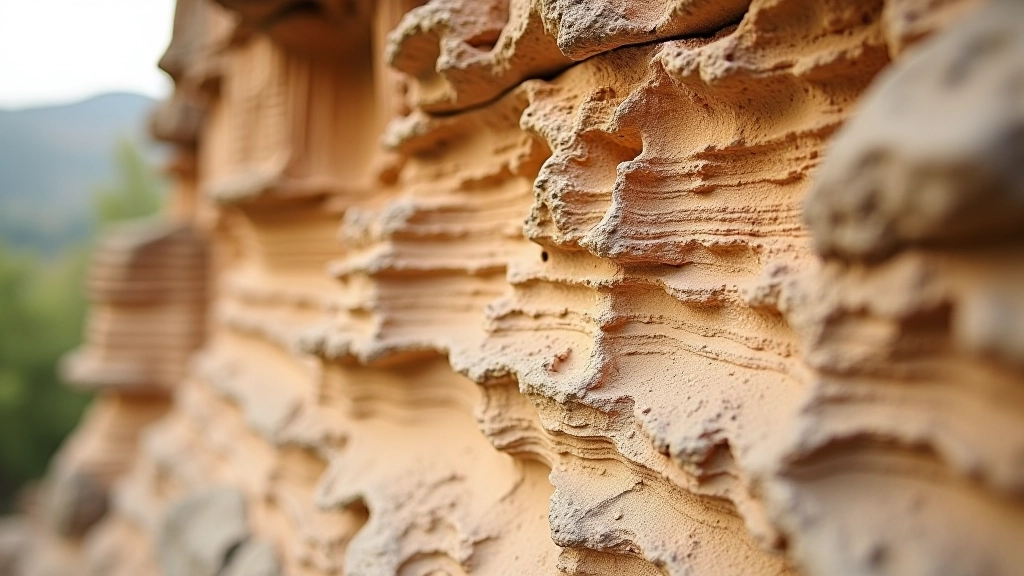
During the Cretaceous period, roughly 100-80 million years ago, this area was underwater. Think of it as a massive shallow sea. Sand accumulated on the bottom — layer after layer, year after year. Eventually, pressure from all those layers above compressed the sand into a hard stone called sandstone. The specific sandstone here is mostly quartz, which is incredibly hard compared to other minerals.
Sand grains settled in layers on an ancient seabed. Different grain sizes created natural variation in the stone.
Pressure from overlying sediment cemented sand grains together. Minerals like silica filled the spaces between grains.
Tectonic activity lifted the seabed above sea level. The ancient ocean receded, exposing the newly formed sandstone to air.
Over millions of years, rain, frost, and wind wore away the softer areas. Harder, more resistant sections remained as towers.
This is where things get really interesting. Not all sandstone erodes the same way. The key to Prachovské Skály’s distinctive shapes comes down to something called joint systems — essentially natural cracks in the rock that formed as the sandstone cooled and compressed.
Water found these cracks and exploited them. Freeze-thaw cycles are brutal on rock. In winter, water seeps into cracks, freezes, expands, and pushes the rock apart. Come spring, it melts and more water gets in. This process repeats thousands of times over millennia. The result? The cracks widen into channels, then valleys. The rock between the channels stands alone as towers. You’re seeing the physical evidence of nature’s patient demolition work.
The sandstone here also varies in grain size and mineral content from layer to layer. Some bands are softer and erode faster. Others are harder and resist longer. This creates the striped appearance you’ll notice on many formations — alternating bands of different colors and textures. That’s not decoration. That’s a record of changing conditions millions of years ago.
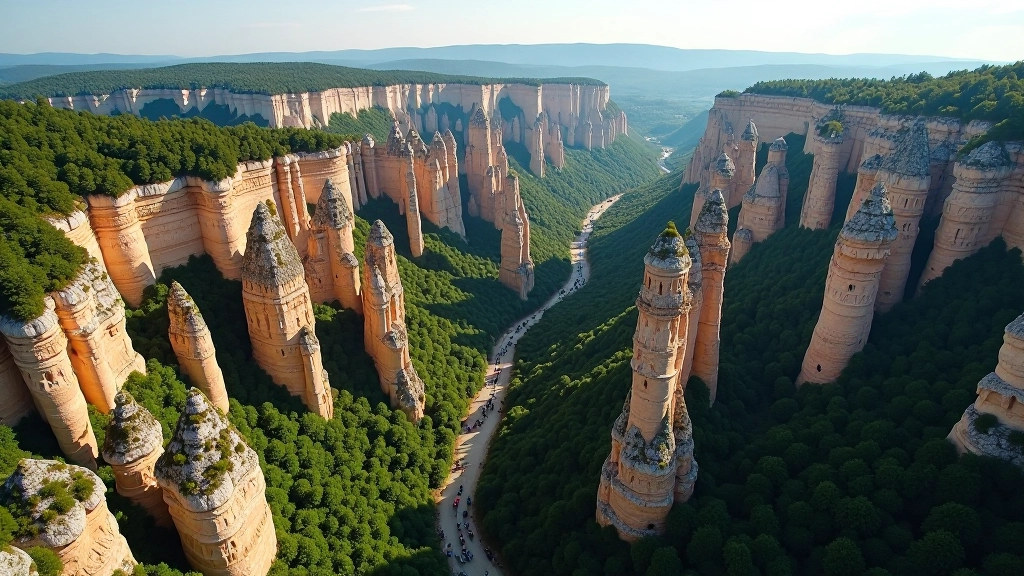

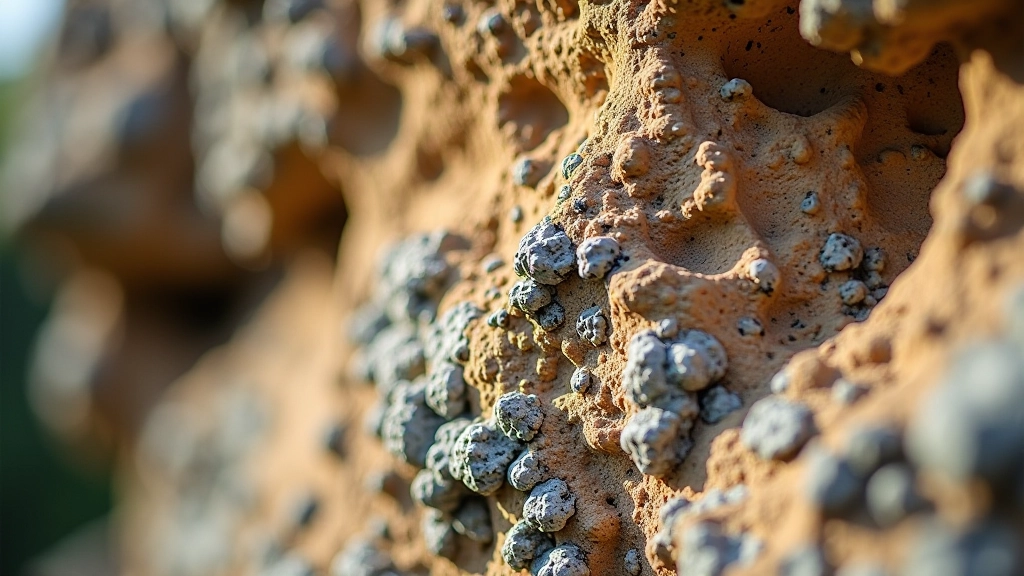
Walk through Prachovské Skály and you’ll notice the towers don’t all look the same. Some are broad and blocky. Others are narrow and dramatic. Some have flat tops, others taper to points. The difference comes down to the joint patterns and how evenly the sandstone breaks along those cracks.
Think of it like this — if the cracks form a regular grid, you’ll get neat rectangular blocks. If the cracks are more random and irregular, you get more unpredictable shapes. Over time, as water widens these cracks at different rates, you end up with the varied landscape you see today. Some towers have nearly vertical faces because the joints aligned that way. Others have sloped sides because erosion happened unevenly.
There’s also the matter of softer layers within the sandstone. These erode faster, creating overhangs, caves, and niches. That’s why you’ll find natural alcoves and shelter areas throughout the formations — they’re the spots where softer sandstone eroded away while harder layers above stayed put.
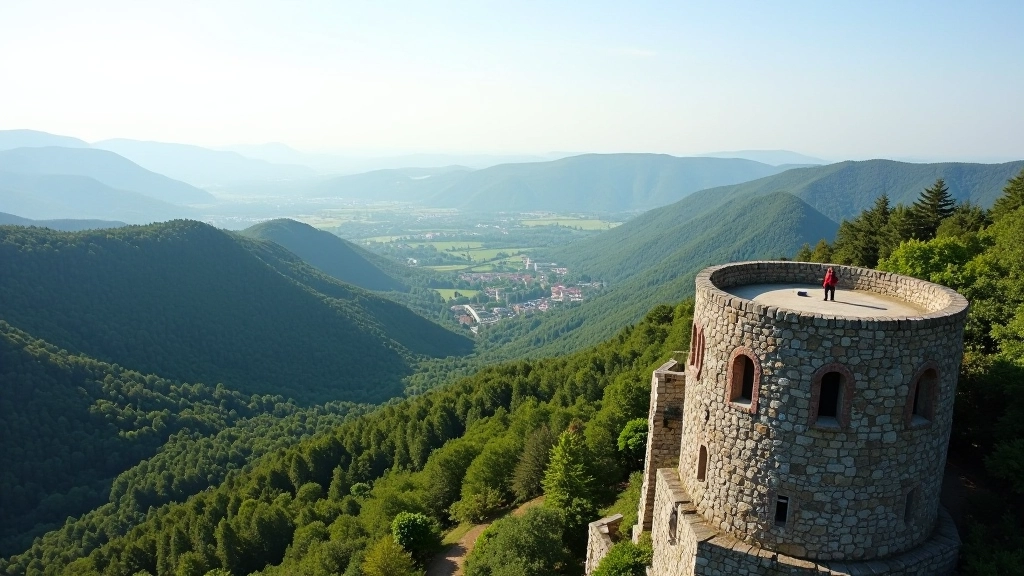
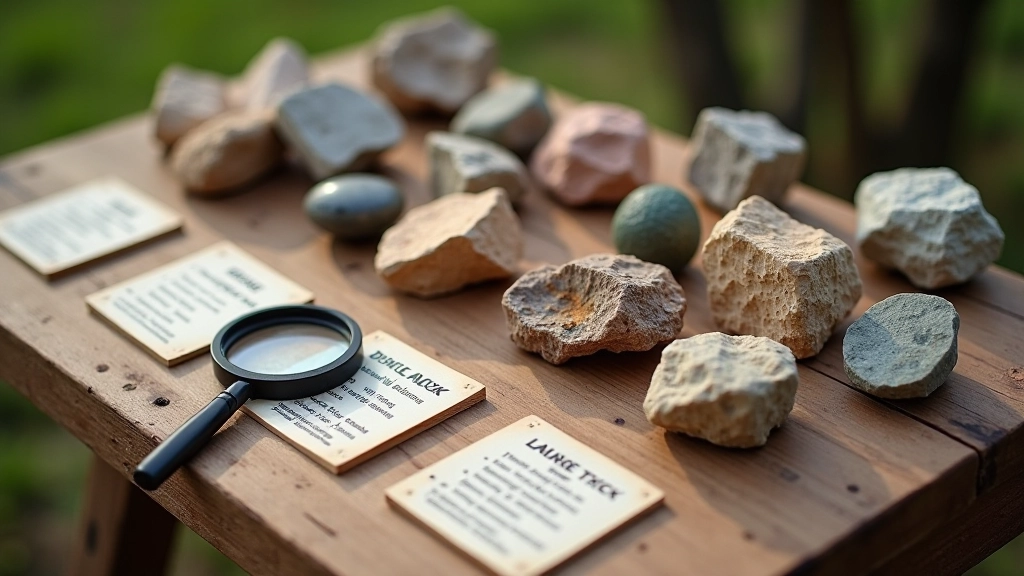
The Cretaceous period ended about 66 million years ago when that asteroid hit Mexico and wiped out the dinosaurs. The sandstone here was already well-formed by then. Since that extinction event, we’ve had another 66 million years of erosion. The towers you walk past today are what survived all that time. It’s humbling when you think about it — these formations have been standing for longer than mammals have been dominant on Earth.
The current erosion rate in Bohemian Paradise is slow but measurable. Geologists estimate the formations lose roughly a few millimeters of stone per century. That doesn’t sound like much until you realize it means the towers are genuinely getting smaller with each passing year. Not in a way you’d notice on a single hike, but over centuries and millennia, it adds up. The valleys widen. The towers get thinner. Eventually, the weakest ones will collapse.
This is why protection and conservation matter. These formations won’t last forever. They’re being actively eroded right now. The Bohemian Paradise region has strict regulations about where people can walk and what kind of development is allowed. It’s not arbitrary — it’s based on understanding how fragile these geological features actually are. When you hike here, you’re walking through a landscape in slow motion transition. The shapes you see today won’t be exactly the same in 500 years.
This article is provided for educational and informational purposes only. While we’ve made every effort to ensure accuracy based on established geological knowledge, specific conditions, research findings, and interpretations can vary. Geological formations are complex systems, and our understanding continues to evolve as new research emerges. For detailed geological analysis or academic purposes, we recommend consulting with certified geologists or peer-reviewed geological literature. When hiking in Bohemian Paradise, always follow local regulations, stay on marked trails, and respect any access restrictions put in place for safety and conservation.
Understanding the geology behind Prachovské Skály transforms how you experience the landscape. You’re not just looking at pretty rocks — you’re reading a story written in stone. Every tower, every valley, every overhang tells you something about how water, time, and rock chemistry interact.
The next time you’re walking through the formations, take a moment to look closely. You’ll see the striations in the stone. You’ll notice where softer layers have eroded faster. You might even spot the joint patterns that guided the erosion process. The landscape becomes more interesting when you understand what you’re actually looking at.
This knowledge also deepens your appreciation for conservation efforts. These formations took 100 million years to create and only a few million more to carve into their current shapes. Protecting them from unnecessary damage isn’t just about preserving pretty scenery — it’s about respecting geological heritage that tells the deep history of our planet.